 Online Loans UK
How to Improve Your Credit Score Before Applying for an Online Loan

Why Your Credit Score Matters to Online Lenders
Online lenders in the UK use your credit score as a quick measure of how reliably you've managed debt in the past. A higher score signals lower risk, which typically means better interest rates and a wider choice of products. Hundreds of Financial Conduct Authority (FCA)-authorised online lenders operate in the UK, and most run automated checks that weigh your score heavily within seconds of receiving your application. Even a modest improvement before you apply can shift you from a rejected application to an approved one.
Representative APR on personal unsecured loans typically ranges from around 6.9% to 49.9% APR. Borrowers with stronger scores tend to sit at the lower end of that band. The difference between a 10% and a 35% APR on a £5,000 loan repaid over three years is several hundred pounds in total interest paid.
How Long Does It Take to See a Real Difference?
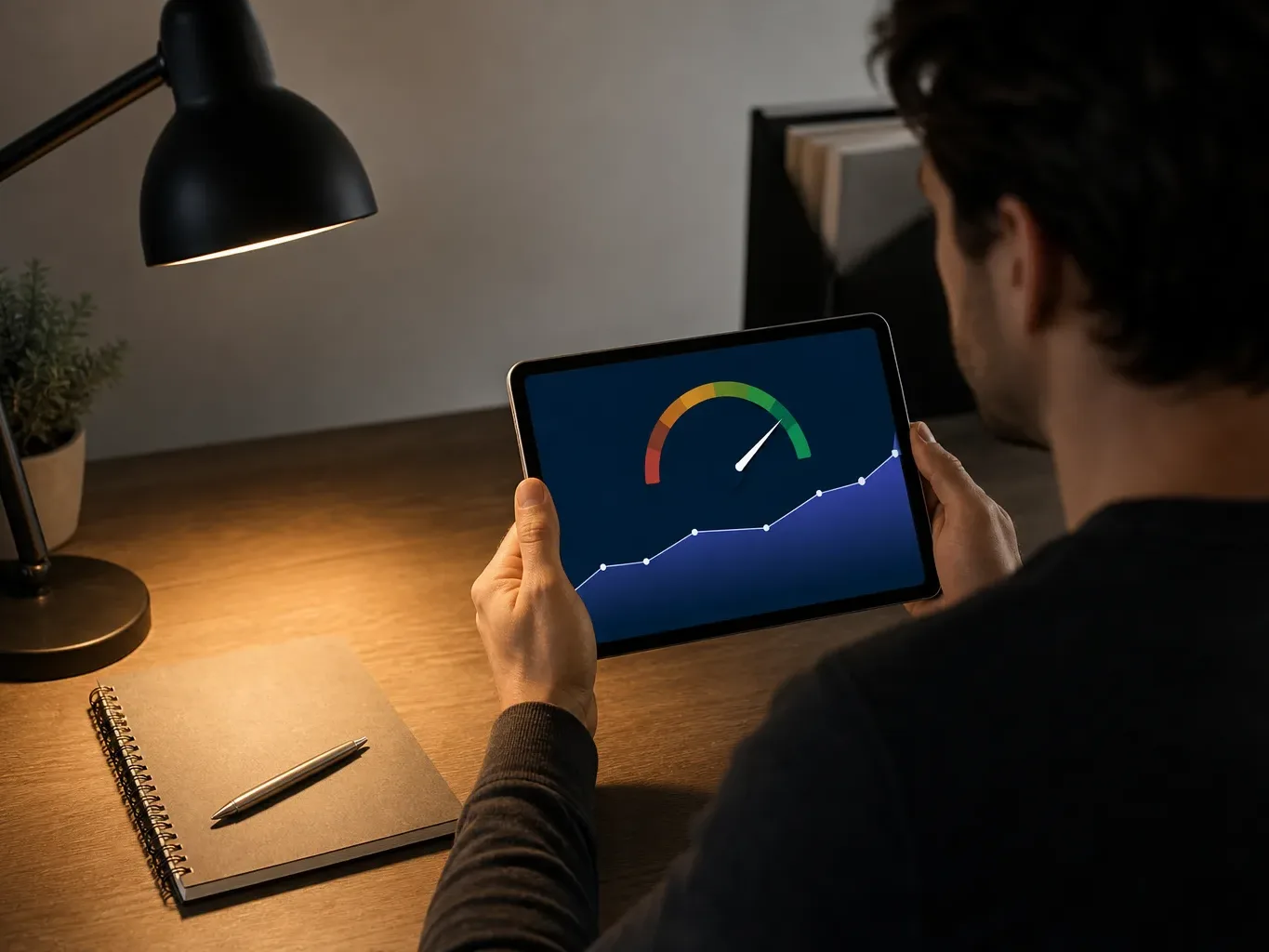
3–6 months of responsible credit use is a realistic minimum before you see meaningful score movement. That window is not arbitrary. Credit reference agencies need enough recent data points, such as on-time payments and falling balances, to recalculate your profile upward. Starting the process at least six months before you intend to apply gives you the best chance of a noticeable change.
Short, targeted actions taken two to three months out can still help. Clearing a small outstanding balance or correcting a file error can produce a quicker bump. The key is not to wait until the week before you apply.

Practical Steps to Raise Your Score
Register on the Electoral Roll
Being registered to vote at your current address is one of the fastest, free changes you can make. Lenders use the electoral roll to verify your identity and address history. If you're not on it, some lenders will decline you outright regardless of everything else on your file. Register at gov.uk; the process takes under ten minutes.
Pay Every Bill on Time
Payment history carries more weight than almost any other factor in a UK credit score. Set up direct debits for minimum payments on credit cards, loans, and utilities so you never miss a due date. Even a single missed payment can stay on your file for six years, though its impact fades over time. Building a clean run of on-time payments for three to six months is the single most reliable way to push your score upward.
Reduce Your Credit Utilisation
Credit utilisation is the percentage of your available revolving credit that you're currently using. If your credit card limit is £2,000 and your balance is £1,800, your utilisation sits at 90%, which most scoring models treat as a warning sign. Aim to bring it below 30%, and ideally below 25%, before you apply for a new loan. Paying down balances rather than simply moving them between cards has a more lasting effect.
Check Your Credit File for Errors
Mistakes on credit files are more common than most people realise. These can include accounts that don't belong to you, incorrect default dates, or old addresses that weren't updated. Check your file with all three main UK credit reference agencies, Experian, Equifax, and TransUnion, since lenders may query any of them. Each agency offers a free statutory report.
Raise a dispute directly with the agency if you spot an error; corrections can take four to six weeks to process.
Avoid Multiple Hard Searches in a Short Window
Every full credit application you submit usually triggers a hard search, which is recorded on your file and visible to other lenders. Several hard searches within a few weeks can suggest financial stress. Use eligibility checkers instead, which run a soft search that has zero impact on your credit score, before committing to a full application. This lets you gauge your approval chances without leaving a trail that damages your score.
Manage Existing Credit Accounts Carefully
Closing old credit card accounts can actually reduce your score by shrinking your total available credit and shortening your average account age. Keep dormant accounts open unless they carry an annual fee that isn't worth it. Making small purchases on an old card and paying the balance in full each month shows active, responsible credit use, which benefits your file over time.
Consider a Credit-Builder Product
If your file is thin because you have little borrowing history, a credit-builder credit card or a small credit-builder loan can help. These products are designed specifically to generate positive payment data. The interest rates are high, so clear the balance monthly without fail. After six months of clean usage, the positive entries on your file can make a material difference to how mainstream lenders assess you.
What to Do in the Final Month Before Applying
In the four weeks leading up to your loan application, avoid applying for any other credit products. Keep spending on existing cards low to hold utilisation down. Confirm your electoral roll registration is current and that your address details match across all your accounts and your credit file. Even a mismatch between a billing address and your credit file address can trigger a failed identity check.
Check whether the lender you plan to approach offers a soft-search pre-qualification tool. Most reputable online lenders do. Using it confirms your likely eligibility without affecting the credit score you've spent months improving.
Understanding What Online Loan Terms Look Like at Different Score Levels
Online personal loans in the UK typically range from £100 to £25,000, with repayment terms from one month up to seven years. Where you sit on the credit spectrum affects both the amount you're offered and the rate attached to it. Short-term loan products carry APRs ranging from around 49.9% to 1,721% APR and are aimed at borrowers who need smaller sums for shorter periods, sometimes with more flexible credit criteria.
Borrowers with improved but not perfect scores often find the mid-market most accessible: loans of £1,000–£10,000 at mid-range APRs with two-to-five-year terms. Getting your score into a stronger band, even if not into the top tier, meaningfully expands that choice. Approval decisions from many online lenders arrive in as little as 2 to 5 minutes, and funds can transfer on the same day when an application is approved before mid-afternoon on a UK banking day.

Frequently Asked Questions
How Can I Improve My Credit Score to Get an Online Loan?
Register on the electoral roll, pay all bills on time via direct debit, and reduce your credit card balances below 30% of your limit. Check your credit file at Experian, Equifax, and TransUnion for errors and raise disputes on anything incorrect. Use soft-search eligibility checkers rather than full applications so you don't leave hard searches on your file. Consistent, responsible behaviour over 3 to 6 months typically produces a noticeable improvement.
How Drastically Can I Improve My Credit Score for an Online Loan?
The scale of improvement depends on your starting point and what's holding your score back. Correcting a significant file error or paying off a large outstanding balance can produce a sharp uplift relatively quickly. Rebuilding after missed payments or defaults is a slower process, with realistic improvement visible after 3 to 6 months of clean credit behaviour. There's no guaranteed number of points, but moving from a 'poor' to a 'fair' band is achievable within six months for many borrowers who make targeted changes.
How to Get a Loan with Low Credit Score in the UK?
Some specialist FCA-authorised lenders offer loans to borrowers with poor credit histories, though the APR will be higher to reflect the additional risk. Short-term loan products carry representative APRs ranging from around 49.9% to 1,721% APR. You can borrow amounts from as little as £100 and repay over as short as one month. Use a soft-search eligibility checker first so you can gauge your chances without damaging your score further. If possible, spend a few months improving your score before applying, as even a small improvement can widen your options.
How to Drastically Improve Your Credit Score?
The fastest legitimate routes are: correcting errors on your credit file, clearing high credit card balances to bring utilisation under 30%, and ensuring you're on the electoral roll at your current address. Becoming an authorised user on a partner's well-managed credit card can also add positive history to your file. None of these changes are instant, but combining several of them simultaneously produces faster results than any single action alone. For most people, 3 to 6 months of consistent effort yields a meaningful score jump.
Is 620 a Poor Credit Score?
Credit scores in the UK are not measured on a 300–850 scale the way they are in the US, so 620 is not a directly meaningful figure here. Each of the three main UK credit reference agencies uses its own scale: Experian scores run to 999, Equifax to 1,000, and TransUnion to 710. What matters is which band your score falls into on the specific agency's scale, such as 'poor', 'fair', 'good', or 'excellent'. Check your score directly with each agency to understand where you stand and what range you need to reach for better loan terms.