 Online Loans UK
Soft Search vs Hard Search - Online Loan Applications Explained
Every time you apply for credit in the UK, a lender checks your credit file. The type of check they run matters far more than most borrowers realise. A soft search leaves your credit score completely untouched, while a hard search creates a visible footprint that other lenders can see.
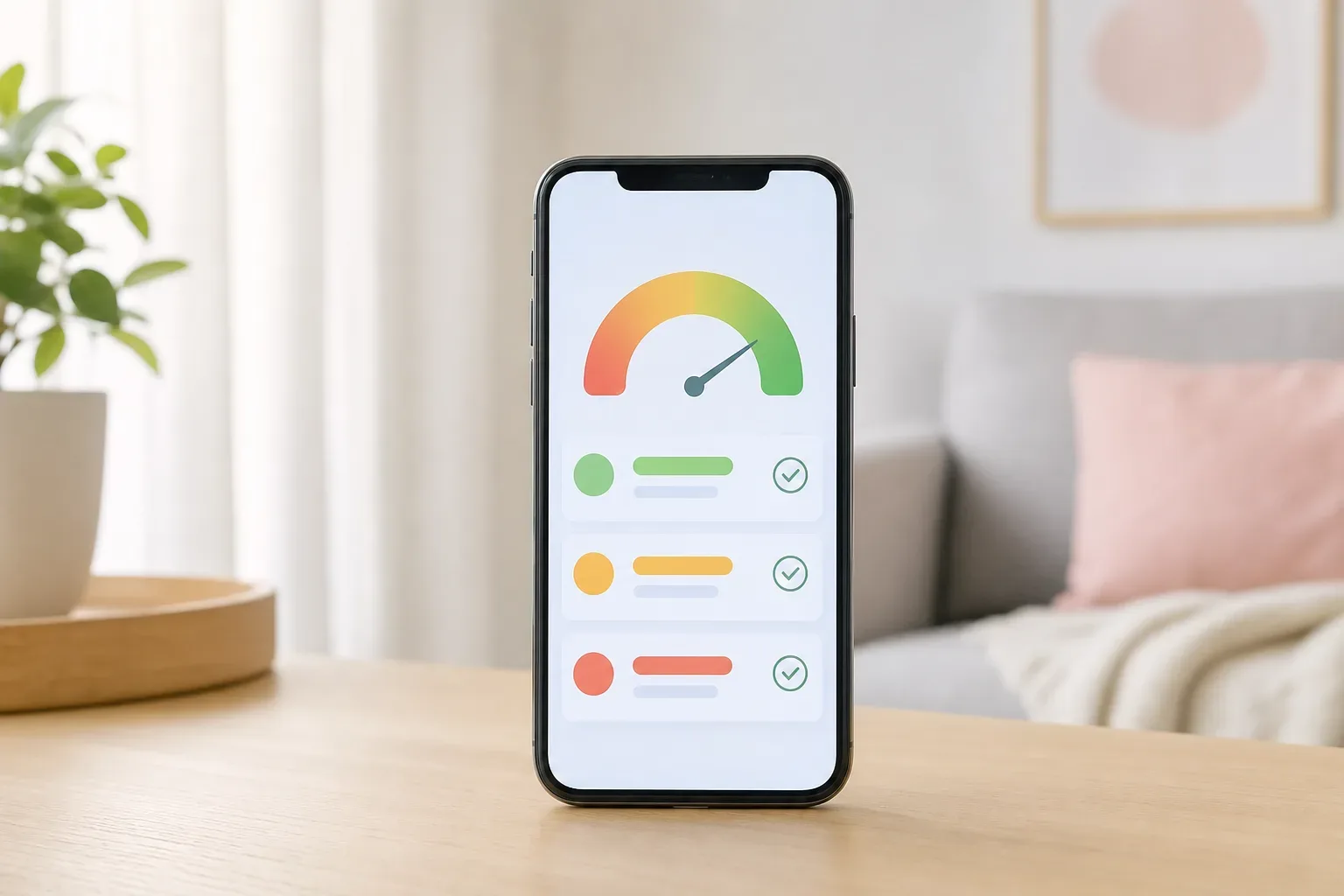

The Two Types of Credit Search
Credit reference agencies, chiefly Experian, Equifax, and TransUnion, record two distinct types of enquiry against your file. Soft searches are typically used for eligibility checks, identity verification, and pre-approval tools. Hard searches are the formal checks lenders run once you submit a full loan application and give your explicit consent.
Soft Searches Explained
A soft search reads a summary of your credit profile. The lender sees enough information to give you a reliable eligibility indication, but the search itself is only visible to you, not to other lenders or creditors reviewing your file. Running multiple soft searches in a short period has no negative effect on your score.
Hard Searches Explained
A hard search is a full credit file enquiry. It is recorded on your credit report and stays visible to other lenders for twelve months. Multiple hard searches within a short window can suggest financial pressure, which may make some lenders more cautious about approving your application.
Why the Distinction Matters for Online Loan Shopping
Comparing loan offers online is sensible financial behaviour. The problem arises when each comparison triggers a hard search. If you approach five lenders in a week and each one runs a hard check during the quote stage, your credit file shows five enquiries before you have borrowed a penny.
Soft search tools solve this directly. Many UK online lenders now offer eligibility checkers that run a soft search, return a personalised rate or approval likelihood, and only proceed to a hard search once you actively choose to apply. This means you can shop around without damaging your credit profile.

What Happens During an Online Loan Application
Most soft search online loan application journeys follow a predictable sequence. You enter basic details such as the loan amount, term, income, and employment status. The lender's system runs a soft search and returns either a provisional offer or a clear indication that you are unlikely to be accepted. If you proceed, the lender then runs a hard search as part of the full underwriting process.
All UK online lenders must be authorised and regulated by the Financial Conduct Authority (FCA). You can verify any lender's status on the FCA Register before sharing personal details. Authorised lenders are required to carry out affordability and creditworthiness checks regardless of how the application is marketed.
Affordability Checks Are Separate from Credit Searches
Affordability checks assess whether you can comfortably manage repayments based on your income and outgoings. They do not, by themselves, leave a mark on your credit file. The credit search and the affordability assessment happen alongside each other, but only the hard credit search creates a visible footprint.

Loan Amounts, Terms, and Rates You Can Expect
Online loans available through soft search eligibility checkers typically range from £100 up to £25,000. Repayment terms run from one month at the short end through to seven years for larger personal instalment loans. The rate you are offered depends on your credit profile, income, and the lender's own risk model.
Short-term loans, those repaid over one to twelve months, carry representative APRs broadly between 49.9% and 1,721% APR. Longer unsecured personal loans generally sit between 6.9% and 49.9% APR. The APR you personally receive may differ from the representative figure; lenders are required to offer the advertised representative rate to at least 51% of successful applicants.
Late Payment and Default Fees
If you miss a repayment on a high-cost short-term loan, lenders regulated under FCA rules can charge a default fee of up to £15. This cap applies specifically to high-cost short-term credit products. Always read the full terms before accepting any loan offer, as charges vary between lenders and product types.

How to Use Soft Searches Strategically
Start with lenders or comparison platforms that explicitly state they use a soft search at the eligibility stage. Enter your details once, review the results, and narrow your shortlist to one or two realistic options before triggering any hard search. This approach protects your score while giving you genuine market information.
If you are declined after a soft search, treat that as useful data rather than a rejection. It means the hard search was never placed, so your credit file remains clean. Use the feedback, if the lender provides it, to identify whether the issue is affordability, credit history, or the lender's own product criteria.
Building Credit Before You Apply
If soft search results consistently show low eligibility, addressing your credit profile before applying formally is worth the time. Three to six months of responsible credit use, keeping balances low and making every payment on time, can produce a measurable improvement. A higher score typically leads to better rates and a wider choice of lenders.

Checking a Lender's Soft Search Policy
Not every lender advertises clearly whether their initial check is soft or hard. Look for phrases such as "eligibility checker", "check your chances", or "no impact on your credit score" on the application page. If the lender does not confirm the search type, contact their customer service team before entering your details.
Comparison websites that run a single soft search across multiple lenders in one step are particularly efficient. You receive several indicative offers from one enquiry, making it straightforward to compare APRs, terms, and monthly repayment amounts side by side. Decisions from fast lenders can come back in as little as 2 to 5 minutes once you submit your details.
Frequently Asked Questions
What Is a Soft Search on an Online Loan Application?
A soft search is a preliminary credit check that lets a lender assess your eligibility without leaving a visible mark on your credit file. It reads a summary of your credit profile, giving the lender enough information to indicate whether you are likely to be approved and at what rate. Only you can see soft searches on your own file; other lenders reviewing your credit report cannot see them. The formal hard search only takes place if you decide to proceed with a full application.
Will a Soft Search Online Loan Application Affect My Credit Score?
A soft search does not affect your credit score at all. It creates no visible footprint for other lenders to see, so running multiple soft searches while comparing loan options has zero negative impact on your credit file. The score effect only comes from a hard search, which is recorded when you submit a full application and give your explicit consent. If you are concerned about protecting your score while shopping around, always confirm a lender uses a soft search at the eligibility stage before entering your personal details.
How Quickly Can I Get a Soft Search Online Loan?
Many UK online lenders return a soft search eligibility decision in as little as 2 to 5 minutes. If you proceed to a full application and are approved, funds can reach your account within a few hours, often on the same day, provided the application is completed and approved before mid-afternoon on a UK banking day. Where same-day transfer is not available, the standard timeframe is 1 to 3 business days. Speed varies between lenders and depends on your bank's own processing times.
What Is the Best App for Instant Loans?
There is no single best app, as the right choice depends on your credit profile, the amount you need, and the repayment term that suits your budget. What matters most is choosing an app from a lender that is authorised and regulated by the Financial Conduct Authority (FCA). You can verify any lender's status on the FCA Register. Look for apps that use a soft search at the eligibility stage so you can check your chances without affecting your credit score, and always compare the representative APR before committing.
How to Get a Loan in 2 Minutes?
Getting a full loan decision in 2 minutes is possible with lenders that use automated underwriting systems. You submit your personal and financial details online, the system runs its checks, and a decision is returned almost immediately. Approval is not guaranteed, and all FCA-authorised lenders must still carry out affordability and creditworthiness checks regardless of how fast their technology works. To improve your chances of a fast, positive outcome, check your eligibility with a soft search tool first, have your income and employment details to hand, and apply for an amount that fits comfortably within your monthly budget.